

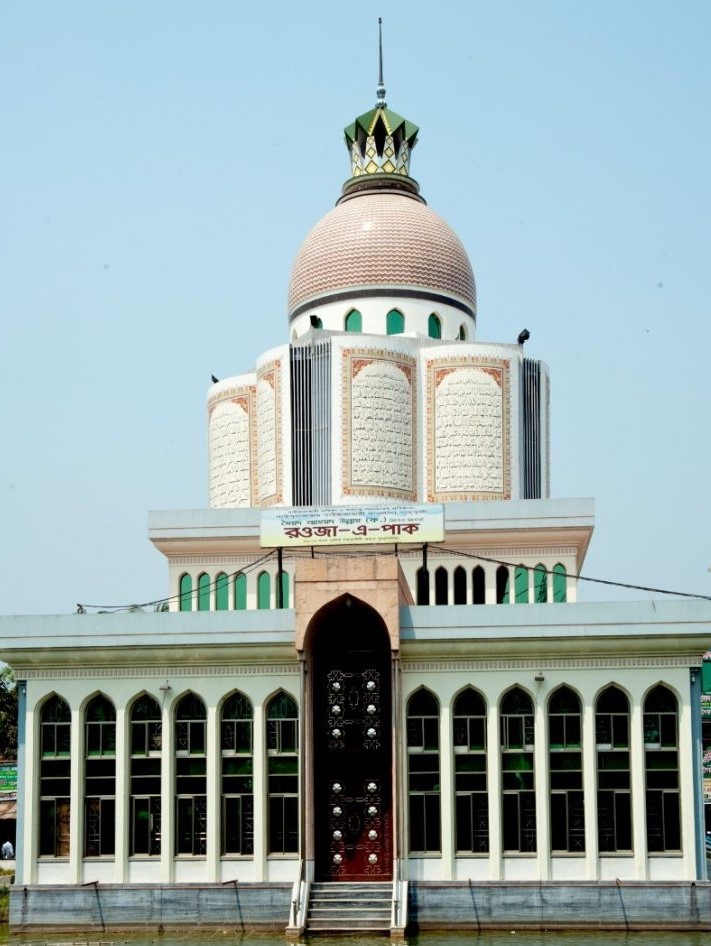

Hazrat Gausul Azam Maizbhandari Shah Sufi Moulana Syed Ahmadullah , also known as Hazrat Kebla Kaba, was born on January 15, 1826, in the Bengali calendar year of 1313, under the prophetic foresight of renowned spiritual leader Hazrat Mohiuddin Ibn Arabi, who foretold his birth 586 years earlier. This prediction stated that his knowledge and spiritual guidance would one day illuminate the world.
At his birth, his father was instructed in a vision by Prophet Muhammad to name the child “Ahmed Ullah.” After completing his early education in Chittagong, he pursued higher religious studies at the prestigious Calcutta Alia Madrasha in India, where his academic excellence and profound spiritual insight were quickly recognized. His brilliance was attributed to divine spiritual gifts granted by Allah.

Following his studies, Hazrat Kebla Kaba accepted a position as a District Judge in Jessore, but left after a year, drawn instead to religious and spiritual pursuits. He then joined a religious college in Calcutta as a teacher, while also dedicating himself to spreading the teachings of Islam and addressing large public gatherings.
During his time in Calcutta, he formed close connections with two prominent spiritual figures: Shah Sufi Hazrat Abu Shahama Muhammad Saleh Al-Quaderi Lahori and Kutubul Aktab Shah Sufi Hazrat Delwar Ali Pakbaz. These relationships further deepened his spiritual understanding and fortified his role as a guide for the betterment of humanity.
Upon his return home, Hazrat Kebla Kaba continued his devotion to meditation and spiritual reflection. Even after his marriage at age 32, he remained focused on Allah’s will, delving deeper into the mysteries of creation and the essence of humanity. His spiritual powers began to gain recognition, drawing people from all walks of life to Maizbhandar Sharif, which became a center of peace and spiritual guidance for the masses.
Through his deep connection with Allah, Hazrat Kebla Kaba performed many miraculous acts—known in Sufi terminology as “Karamat”—that helped countless people, though only a few of these events have been documented. His reputation as a spiritual leader spread far and wide, and people sought him out for his blessings and solutions to their personal struggles. Despite his growing fame, he remained humble and steadfast in his dedication to guiding people toward spiritual enlightenment, avoiding worldly gain.
On January 23, 1906, Hazrat Kebla Kaba passed away, but his legacy lives on. Each year, devotees gather at Maizbhandar Sharif to honor his memory and seek spiritual rejuvenation, continuing to be inspired by his life of service to Allah and humanity.
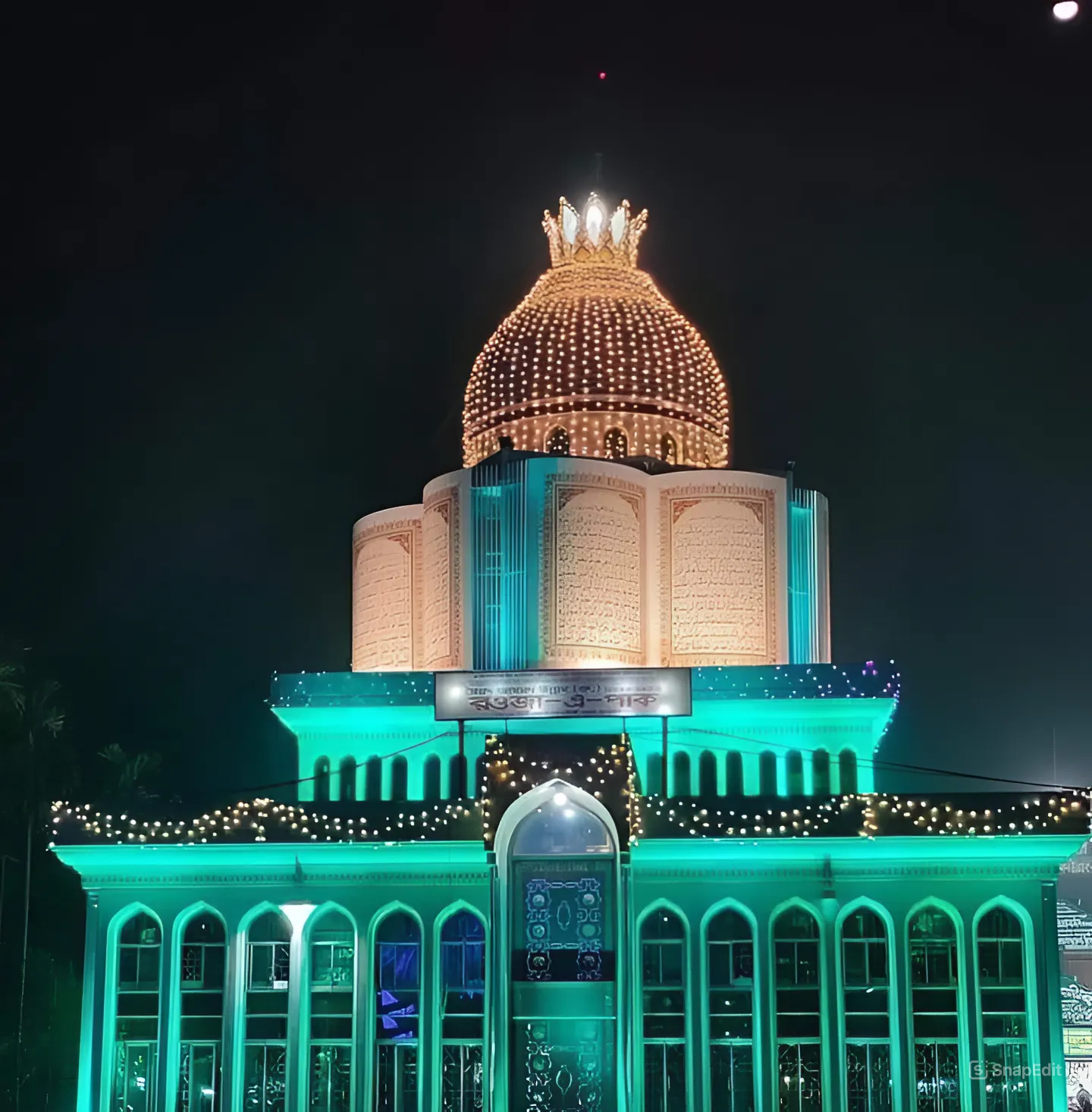
Following the establishment of the Maizbhandari spiritual order by Hazrat Gaus-ul-Azam Shah Sufi Moulana Syed Ahmadullah, it was his nephew, Hazrat Syed Golamur Rahman, who brought this spiritual lineage to its highest level of manifestation.
Hazrat Syed Golamur Rahman, also known as Baba Bhandari, was born on January 10, 1865. His father was Syed Abdul Karim, and his mother, Syeda Musharaf Jaan, was foretold by Hazrat Syed Ahmadullah himself that she would give birth to the “Peerane-Peer,” or the “Saint of all Saints.” This prophecy came true with Baba Bhandari’s birth, and his life was destined to uplift the Maizbhandari Order.
Baba Bhandari dedicated his life to spreading the teachings of the order and instilled in his disciples the idea that one could transcend customs, traditions, and personal ideologies, yet still have the power to influence the course of human destiny. His focus was always on helping individuals discover their inner selves and cultivate healthier, more harmonious relationships with others.
Educated in various madrashas during his childhood, Baba Bhandari later attended Chittagong Government Madrasha. Even as a student, he was known for his deep meditation and spiritual focus. He longed to be near Hazrat Syed Ahmadullah, often spending nights standing in his presence, absorbing his teachings.
Hazrat Syed Ahmadullah recognized Baba Bhandari’s spiritual potential early on, naming him “Golamur Rahman” and blessing him to carry forward the Maizbhandari spiritual legacy. From childhood, Baba Bhandari exhibited extraordinary traits that set him apart. His connection with Allah and spiritual insight were evident from an early age, and he was particularly devoted to religious practices like prayer, fasting, and studying the Quran and Hadith.
Baba Bhandari’s spiritual powers became widely known, and he performed many “karamats,” or miracles, aimed at benefiting humanity. His guidance brought countless individuals relief from suffering and connected them with the divine. He spent much of his life exploring the mysteries of creation, seeking spiritual enlightenment, and helping others on their journey to Allah.
Though he married at the age of 23, Baba Bhandari’s focus never shifted from his spiritual mission. He roamed the forests and hills around Chittagong and the shores of the Bay of Bengal, meditating and deepening his connection to nature and the divine. His spiritual aura attracted followers from all backgrounds, and his teachings continue to inspire to this day.
At the age of 71, on April 5, 1937, Baba Bhandari left this world. His life of devotion and service to Allah left an enduring legacy, and his followers continue to honor his memory each year.
Hazrat Syed Golamur Rahman, also known as Baba Bhandari, was born on January 10, 1865. His father was Syed Abdul Karim, and his mother, Syeda Musharaf Jaan, was foretold by Hazrat Syed Ahmadullah himself that she would give birth to the “Peerane-Peer,” or the “Saint of all Saints.” This prophecy came true with Baba Bhandari’s birth, and his life was destined to uplift the Maizbhandari Order.
Baba Bhandari dedicated his life to spreading the teachings of the order and instilled in his disciples the idea that one could transcend customs, traditions, and personal ideologies, yet still have the power to influence the course of human destiny. His focus was always on helping individuals discover their inner selves and cultivate healthier, more harmonious relationships with others.

© Copyright 2026 | All Rights Reserved. Powered by Maigbhandaria Moniya Sohidiya